
Dog Trainer Cost by ZIP Code: Private $60–$150, Board $1,200+
Dog Trainer Cost by ZIP Code: Private $60–$150, Board $1,200+

Private dog training sessions typically run within a range of hourly rates, with multi-session packages costing several hundred dollars. Group classes are cheaper, usually costing less per class or course. Board-and-train programs cost the most due to lodging and daily training, while virtual coaching tends to be the least expensive option. Credentials, training methods, your location, and the complexity of your dog’s behavior issues all push these numbers up or down.
TL;DR:
- Private training sessions typically cost around $60 to $150 per hour, with packages totaling $300 to $900; in-home sessions usually cost more.
- Group classes are the most affordable, ranging from $15 to $60 per session or $80 to $250 for a multi-week course.
- Board-and-train programs are the most expensive, often exceeding $1,200 for two or more weeks, due to lodging and intensive daily training.
- Virtual coaching is the least costly, generally focusing on basic obedience and troubleshooting minor issues, but may lack effectiveness for severe behavioral problems.
- Credentials and training methods significantly influence price, with reward-based trainers and certified professionals charging more for safer, higher-quality services.
Table of Contents
- Average prices and how to read them
- Pricing by service type: private, group, and beyond
- What actually drives the price you’re quoted
- How to find and vet a trainer
- Ways to cut cost without cutting corners
- Finding verified trainers by ZIP code
- A short note on price versus fit
- Put this guide to work today
- Sources
- FAQ
Average prices and how to read them
Dog training costs vary so widely because you are really paying for three different things: the trainer’s time, their expertise, and the format of the service. A single private session might run $60 to $150, but a package of four to six sessions often comes out to $300 to $900 total, with a modest per-session discount built in. Group classes are the budget option: $15 to $60 for a drop-in class, or $80 to $250 for a structured multi-week course covering basic manners. Board-and-train programs sit at the top of the price range because you are paying for lodging, daily training time, and staff supervision over one or more weeks.

When you see a “starting rate” and a “max rate” listed for trainers in your area, that spread usually reflects experience level and specialty. A new trainer offering basic obedience help might start at $50 an hour, while a certified behavior consultant handling aggression cases in the same city could charge $150 or more. Local rate listings that publish these ranges typically calculate them from what providers themselves report, so treat any single number as a midpoint, not a fixed price.
A practical way to estimate your local cost: take the national midpoint for the service type you want, then adjust up or down based on your area’s general cost of living. A midpoint private session (roughly $100 per hour) will likely run higher in a major metro area and lower in a smaller town.
- Private sessions typically cost within a moderate hourly range, or several hundred dollars for a package.
- Group classes tend to be the most affordable option per session or course.
- Board-and-train programs generally fall at the higher end of the cost spectrum, reflecting length and issues addressed.
- Virtual coaching is usually the most affordable format, less expensive than in-person private sessions.
Board-and-train programs typically keep a dog for two or more weeks and cost significantly more than weekly private lessons. That cost difference reflects daily supervision and lodging, not just training time.
Pricing by service type: private, group, and beyond
Each format serves a different need, and the price tag usually tracks how much individual attention you get.
Private one-on-one lessons run $60 to $150 per hour, with in-home sessions often landing at the higher end because the trainer is billing for travel time along with instruction. According to the American Kennel Club, private training can happen at a facility, in your home, or in public spaces, and in-home sessions often cost more due to travel and individualized attention. Packages of multiple sessions often total several hundred dollars, and some trainers include phone or email support and written homework in that price, so it is worth asking what is actually included.
Group classes cost $15 to $60 per session or $80 to $250 for a multi-week course, making them the most affordable structured option. They work best for basic manners, socialization, and puppies who need exposure to other dogs and people, but they are less effective for dogs with serious behavior problems that need individualized attention.

Board-and-train programs typically run $1,200 to $4,000 or more, reflecting a stay of two weeks or longer plus daily training and lodging. These programs can be efficient for severe behavior issues, but they require you to follow up at home with the trainer’s handoff instructions to maintain the gains.
Virtual coaching is usually the cheapest per-session option and works well for basic obedience, puppy foundations, and troubleshooting minor issues. It performs poorly for hands-on problems like leash reactivity or physical handling issues that need an in-person trainer watching body language in real time.
- Private lessons: best for focused, one-on-one problem solving.
- Group classes: best value for basic manners and socialization.
- Board-and-train: best for owners who cannot commit daily time to training.
- Virtual coaching: best for simple issues and budget-conscious owners.
What actually drives the price you’re quoted
Two trainers can quote very different prices for the same job, and both can be reasonable once you understand what you’re paying for.
Professional credentials matter. Certifications from organizations like the IAABC or CCPDT signal ongoing education and adherence to professional standards, and trainers who hold them often charge more because that education costs money and time to maintain. In an industry with no licensing requirement, a credential is one of the few objective signals of competence you can check.
Training philosophy also affects cost. The American Veterinary Society of Animal Behavior recommends reward-based training methods and warns that aversive techniques can damage animal welfare and the relationship between dog and owner. Trainers who invest in reward-based education and equipment sometimes charge more, but that cost buys a safer, better-supported method.
Other factors that move the price:
- Travel time and in-home service typically add a premium over facility-based sessions.
- Billed time may include prep, written plans, and follow-up support, not just the hour you spend together.
- Basic manners training costs less and finishes faster than work on aggression or severe anxiety, which needs more sessions and often a behavior consultant.
Pro Tip: Ask upfront whether the quoted price includes written homework or follow-up support between sessions. That detail changes the real value of a “per hour” number.
How to find and vet a trainer
Start your search with verified directories, a referral from your veterinarian, or verified profiles on platforms like Best Service Local. From there, a short interview protects you from wasted money and unsafe methods.
- Ask about their approach to reinforcement and confirm they use reward-based methods rather than punishment-heavy tools.
- Request to observe a live class or a short demo session before committing.
- Ask for a written training plan with an expected timeline and number of sessions.
- Confirm what follow-up support is included after the sessions or program ends.
- Check credentials directly with the certifying body rather than taking a trainer’s word for it.
Watch for red flags: reliance on shock collars, prong collars, or other aversive tools, promises of guaranteed results, or reluctance to let you observe a session or speak with past clients. A recommended vetting step is to request a demo session, since how a trainer answers your questions is often a reliable sign of their teaching skill.
Ways to cut cost without cutting corners
You do not have to choose between your budget and a humane method. A few strategies lower total spend while keeping outcomes solid.
Group classes save money on basic manners and socialization, while private lessons are worth the extra cost for a specific problem that needs one-on-one attention. A phased approach often works best: start with a few private sessions to address the core issue, move to a group class for socialization and practice, then use virtual check-ins to maintain progress. This sequence typically costs less than committing to a long private package or a board-and-train program up front.
- Ask whether package pricing includes a discount over paying per session.
- Clarify the cancellation and refund policy before paying for a multi-session package.
- Negotiate a trial session before committing to a full package or program.
Pro Tip: Before buying any multi-session package, ask what happens if your schedule changes. A flexible cancellation policy is worth more than a small discount.
Finding verified trainers by ZIP code
You can search for dog trainers by service type and ZIP code, then compare verified business profiles side by side instead of piecing together information from scattered listings. Each profile lists service area, documented services, and other details you can use to apply the checklist above before you ever pick up the phone. That means you can compare credentials, pricing structure, and reviews for trainers who actually work in your area, rather than guessing from a generic search result.
A short note on price versus fit
Verification and reward-based methods matter more than shaving a few dollars off the hourly rate: a cheaper trainer using outdated or aversive tools can cost you more in setbacks than a pricier, credentialed one. The right trainer for your dog and your household is worth more than the lowest quote you find, so weigh fit and philosophy as heavily as price.
— Service
Put this guide to work today
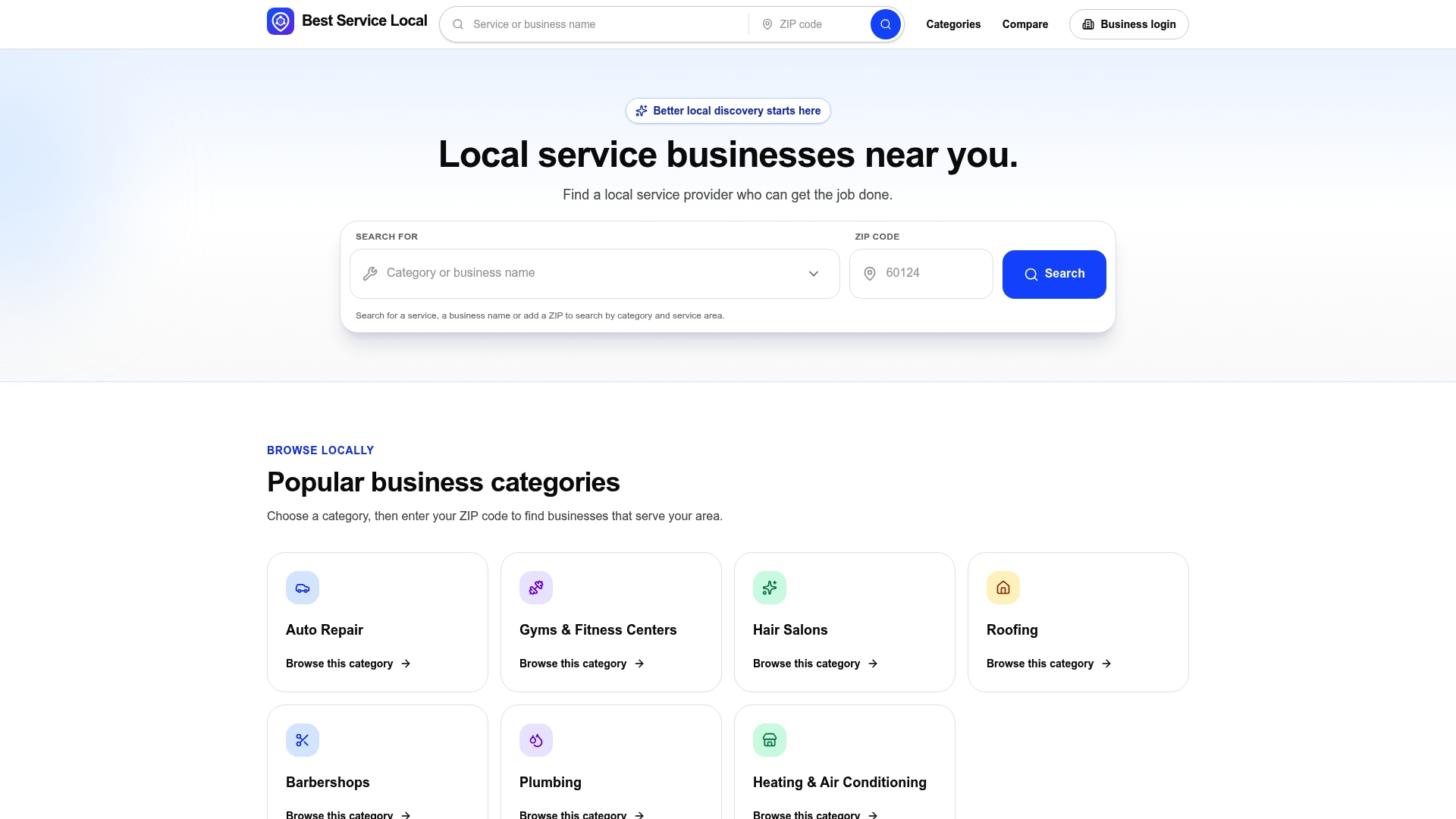
Comparing quotes shouldn’t mean juggling phone tabs and half-finished web searches. Search Best Service Local by service type and your ZIP code to pull up verified dog trainer profiles in your area, then compare rates, service details, and reviews side by side before you reach out.
- Search by “dog training” and your ZIP code to see local, verified providers.
- Compare at least two or three quotes using the checklist questions above.
- Contact providers directly through their profile to ask about credentials and packages.
Start your search on the Best Service Local homepage and find a trainer who fits your dog, your schedule, and your budget.
Sources
For more on humane training standards, the AVSAB’s position on reward-based training explains why veterinary behaviorists recommend it over aversive methods. The AKC’s guide to finding a trainer covers what to expect from private, group, and in-home options, and its board-and-train overview details program length and follow-up expectations. To verify a trainer’s certification, check the IAABC credentials page directly.
- Why You Need To Reward Your Dog in Training, According to the Experts - The American Veterinary Society of Animal Behavior
- Dog Board and Train Programs: What to Know & Alternative Options
- IAABC Credentials – Recognized Standards in Animal Behavior Consulting
FAQ
How much does it usually cost to train your dog?
Most owners pay within a moderate hourly range for private sessions or less per group class, depending on location and the trainer’s experience. A package of several private sessions often totals several hundred dollars, while board-and-train programs can be significantly more expensive.
Is it worth paying a dog trainer?
For dogs with specific behavior problems like aggression or severe anxiety, a qualified trainer using reward-based methods can address issues faster and more safely than trial and error at home. For basic manners, a group class or a handful of private sessions is often enough to see real progress.
What is the 7-7-7 rule for dogs?
Definitions vary and there is no single official source for this rule, so treat any specific version you find online with caution. Most versions describe a puppy socialization checklist tied to exposing young dogs to different people, environments, and sounds within their first weeks, similar in spirit to the socialization guidance from veterinary behaviorists.
How much is a trainer to train your dog?
Costs depend heavily on format: private lessons run $60 to $150 per hour, group classes cost $15 to $60 per session, and board-and-train programs cost $1,200 to $4,000 or more for a multi-week stay. You can compare verified local trainer profiles and pricing on Best Service Local by searching your ZIP code.